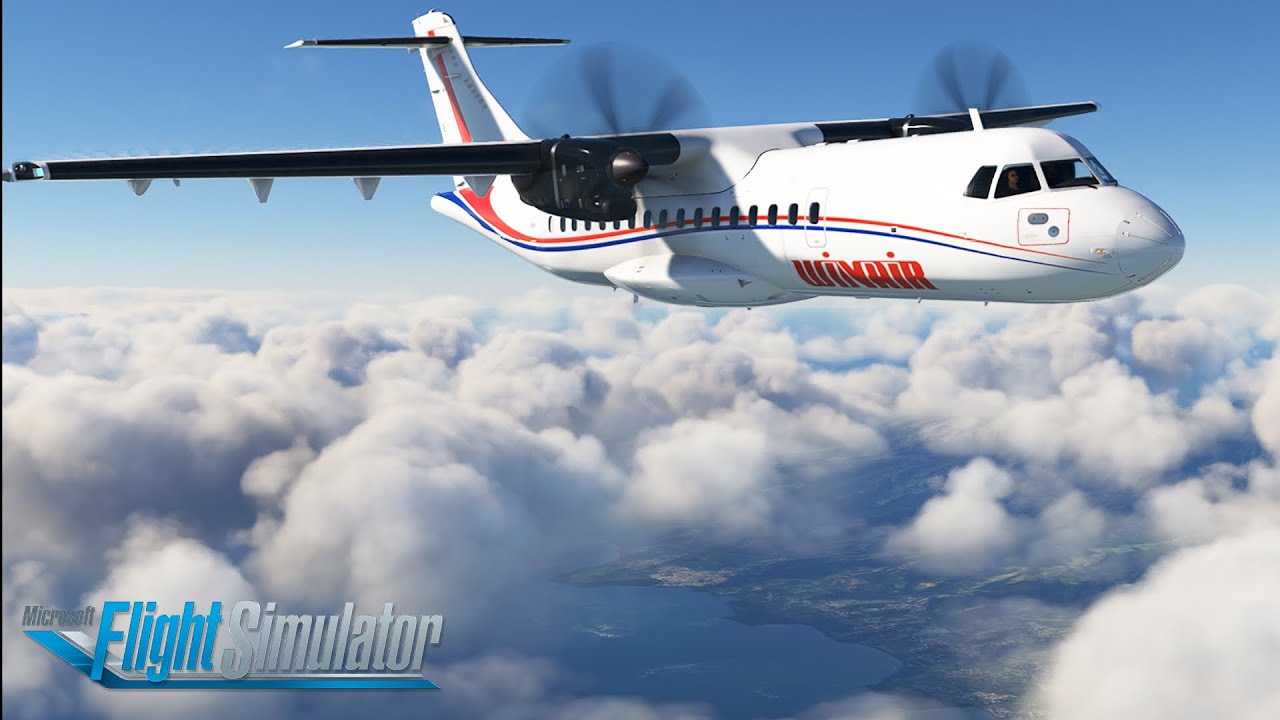
Soar Above Clouds Master Skyline Conquest
There is something almost hypnotic about the hum of engines and the shimmer of city lights far below. For those who seek both strategy and spectacle, the experience of navigating air routes while building a virtual empire feels like a waking dream. The winairlines game at winairlinesgb.com captures this beautifully, blending flight mechanics with resource management in a way that keeps your hands on the yoke and your mind on the horizon.
The Art of Airborne Strategy
This is not a simple point-and-click affair. Every decision matters, from the moment you select your fleet to the split-second choices during an unexpected storm. The game asks you to balance fuel consumption with cargo weight, passenger comfort with flight schedules, and expansion with fiscal caution. It feels less like a casual diversion and more like running a miniature airline conglomerate from the comfort of your browser.
The interface is clean without being sterile. A city map unfolds beneath your aircraft, and you see landmarks, wind patterns, and landing strips all rendered with quiet elegance. The skyline conquest begins when you realize that every route flown is a tile claimed on an invisible board. Competing against other virtual carriers adds a layer of tension that transforms routine flights into tactical gambits.
Navigating Fleet and Finances
Building your fleet requires patience. Small prop planes give way to regional jets, then to long-haul giants. Each upgrade unlocks new destinations and new risks. The game rewards those who study map gradients and fuel prices rather than those who simply click fastest. The economic model feels grounded, with fluctuating demand based on in-game events and player activity.
One of the most satisfying moments comes when you successfully execute a cross-continental run with full passenger loads and favorable winds. The numbers tick upward, your reputation grows, and suddenly the next aircraft type feels within reach. It is a loop that encourages careful planning without feeling like a chore.
Comparative Table of Aircraft Tiers
To better illustrate the progression, here is a comparative look at the broad aircraft categories available within the game. These tiers shape your strategy and determine how aggressively you can claim new routes.
| Aircraft Tier | Range | Passenger Capacity | Fuel Efficiency |
|---|---|---|---|
| Starter Prop | Short | Low (12–20 seats) | Excellent |
| Regional Turboprop | Medium | Moderate (30–50 seats) | Very Good |
| Short-Haul Jet | Medium-Long | High (80–120 seats) | Good |
| Long-Haul Widebody | Very Long | Very High (200+ seats) | Moderate |
Choosing the right aircraft for a route is half the battle. A widebody on a short hop burns cash faster than a wildfire. The game does not punish you severely for mistakes, but it nudges you toward thoughtful expansion. Over time, you learn to read the demands of each city pair and adjust your fleet composition accordingly.
Key Elements That Define the Experience
What sets this title apart from other simulation games is the way it weaves competition and cooperation into the same fabric. You are never truly alone in the skies. Here are some of the standout features:
- Dynamic weather systems that affect flight times and fuel usage, forcing real-time adjustments.
- Player-driven markets where supply and demand for routes shift based on who flies where.
- In-game events such as air shows, fuel price surges, and seasonal tourism booms.
- Route auctions where players bid for exclusive access to high-traffic destinations.
- Alliance mechanics that allow temporary partnerships for shared hub usage.
- A deep upgrade tree for hangars, terminals, and maintenance facilities.
These systems interlock in ways that reward long-term thinking. A player who invests early in fuel storage capacity will weather price spikes better than one who pours everything into new planes. The game respects the grind but does not glorify it.
Frequently Asked Questions
Newcomers often have questions about the nuances of starting out and competing with established players. Here are answers to some common inquiries.
What is the primary objective of the winairlines game?
The main goal is to build a profitable airline network by acquiring aircraft, establishing routes, and outmaneuvering rival carriers through strategic planning and efficient resource management.
Is real money required to compete effectively?
No. The game is designed so that time and skill determine success. Paid options exist for convenience but do not grant insurmountable advantages. Patient players can rise to the top without spending anything.
How long does a typical play session last?
Sessions vary. A quick route adjustment can take fifteen minutes, while deep planning sessions may stretch to an hour. The game saves progress automatically, so you can step away and return later.
Can I play against friends or only strangers?
The game supports both private lobbies and open matchmaking. You can invite friends to share a server or challenge the global player base in ranked leagues.
Are there in-game tutorials for beginners?
Yes. A step-by-step tutorial covers basic flight management, route setup, and financial tracking. Tooltips and a helpful community forum support players who want deeper knowledge.
What happens if I make a poor investment?
The game includes bankruptcy protection at lower levels, allowing recovery. At higher tiers, poor decisions lead to slower growth rather than total failure. The focus is on learning from mistakes.
Final Descent
The winairlines game is not merely about flying. It is about claiming your place in the sky, reading the currents of an ever-shifting market, and mastering the delicate balance between ambition and caution. For those who enjoy strategy layered over simulation, the experience offers a rare sense of altitude — both literal and metaphorical. Whether you are a seasoned commander or a rookie with a single propeller, the skyline awaits your conquest.